


Why Are Some Solar Panels More Efficient Than Others?
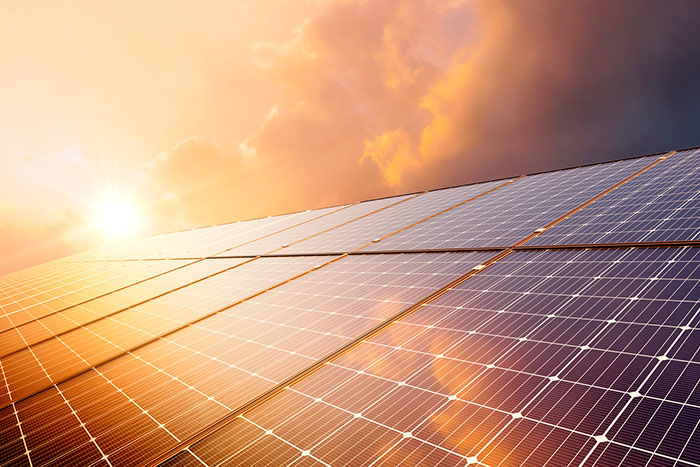
If you have been researching solar panels, you may have heard that some perform better than others. Curious to learn why? Well, it’s largely due to the incredible advancements in technology and materials. Solar panels work by converting sunlight into electricity through photovoltaic cells. The efficiency of a solar panel refers to how effectively it can convert sunlight into usable energy. And in recent years, have there been some exciting developments in this field!
Scientists and engineers have been working tirelessly to improve the efficiency of solar panels. They have been experimenting with different materials and technologies to maximise the conversion rates. From multi-junction cells to thin-film technologies, there is a whole world of innovation happening right now.
Some panels simply outshine others in terms of efficiency, performance, and longevity. By understanding why some solar panels are more efficient than others, we can unlock their full potential and harness the power of renewable energy like never before.
Solar Cell Technology
At the heart of every solar panel lies the solar cells—tiny semiconductor devices that convert sunlight into electricity. Different solar cell technologies exist, each with its unique characteristics and efficiency levels. Monocrystalline and polycrystalline silicon solar cells are among the most common types, with monocrystalline cells generally offering higher efficiency due to their uniform structure and purity.
Conversion Efficiency
Higher efficiency panels can generate more power from the same amount of sunlight, making them more desirable for maximising energy production in limited space. Factors such as cell design, material quality, and manufacturing processes influence conversion efficiency, with premium panels often boasting efficiencies of 20% or more.
Panel Design and Construction
The design and construction of solar panels play a crucial role in their overall efficiency and performance. Factors such as panel size, frame design, and encapsulation materials can impact heat dissipation, sunlight absorption, and structural integrity. Premium panels often feature sleek designs, robust construction, and advanced encapsulation techniques to maximise energy output and durability.
Light-Induced Degradation
Over time, solar panels may experience light-induced degradation (LID), a phenomenon that can reduce their efficiency and performance. LID occurs when exposure to sunlight causes changes in the electrical properties of solar cells, leading to decreased energy output. Premium panels are engineered to minimise LID through advanced cell designs, anti-reflective coatings, and optimised manufacturing processes, ensuring long-term reliability and efficiency.
Temperature Coefficients
Solar panel efficiency can be affected by temperature variations, with higher temperatures generally leading to reduced performance. Temperature coefficients measure how much a panel’s efficiency decreases as temperatures rise. Premium panels often feature lower temperature coefficients, allowing them to maintain higher efficiency levels even in hot climates or under intense sunlight.
As we strive towards a cleaner, more sustainable future, the quest for solar excellence continues unabated, driving innovation and pushing the boundaries of possibility. So, whether you’re harnessing solar energy for your home, business, or community, remember that the path to solar brilliance begins with choosing the right panels.
Solar Installations And Solar Panel Servicing – Toowoomba
Whether you are interested in a small or large solar panel installation, Toowoomba’s Arctic Energy is here to help with tailor-made solar panel systems for residential and commercial applications. Dedicated to using the highest quality products and the most cutting-edge technology, you can rest assured that your solar installation will outperform and outlast others in the market. If you want to make the switch to solar, get in touch with our experienced team today online or by calling 07 4633 1612.